History

100+ Years of Innovation

A legacy of innovation, impact, and industrial leadership

For more than a century, AECI has played a defining role in South Africa’s industrial, mining, and manufacturing landscape. What began as a specialised supplier to the mining industry has evolved into a globally recognised group of businesses operating across chemicals, mining, water, agriculture, and food ingredients—delivering solutions that enable safer operations, improved productivity, and more sustainable outcomes.

  • 1886
    ael-intelligent-blasting-history-timeline-1886-gold-discovered.jpg

    Gold Discovered

    George Harrison discovered gold on the Witwatersrand reef and with that the largest market for dynamite exploded into existence.

  • 1895
    timelinepic2.jpg

    First Explosives Factory

    Establishment of the ‘Zuid Afrikaansche Fabrieken voor Ontplofbare Stoffen Beperk' at Modderfontein by President Paul Kruger.

  • 1896
    timelinepic3.jpg

    Factory Opens

    On 25th April 1896 President Paul Kruger officially opened the factory on one of his rare visits to the Rand.

  • 1919
    timelinepic4.jpg

    Two factories unite

    After World War I, the Modderfontein factory and Kynoch's Umbogintwini factory amalgamated. Explosives production was centred at Modderfontein and the Umbogintwini factory went over to making fertilisers.

  • 1924
    timelinepic5.jpg

    African Explosives & Industries Limited formed

    The formation of African Explosives and Industries Limited in 1924 breathed new life into Modderfontein factory with new developments commencing on a scale that merited the title of “the biggest commercial explosives factory in the world”.

  • 1931
    timelinepic6.jpg

    Sir Ernest Oppenheimer is appointed chairman

    Sir Ernest Oppenheimer is appointed chairman of African Explosives and Industries Limited.

  • 1932
    timelinepic7.jpg

    Ammonia synthesis plant

    The history of AECI and of Modderfontein factory is synonymous with the history of industry in South Africa. As a generator of wealth with its products and as a creator of supporting industries, its value was incalculable.

  • 1933
    timelinepic12.jpg

    Ammon gelignite takes off

    Three thousand cases of ammon gelignite, the new ammonium nitrate explosive, were put to the test. Within five years, ammon gelignites would completely replace straight gelignites.

  • 1944
    timelinepic8.jpg

    Name change to African Explosives & Chemical Industries

    After World War II, research and development facilities were consolidated and expanded at Pinelands in Modderfontein, whilst international liaison with ICI Explosives Research and Development centres intensified.

  • 1954
    timelinepic4.jpg

    2nd Ammonia Plant

    Against a background of burgeoning activity in mining and quarrying, African Explosives & Chemical Industries Limited solidified its reputation as a pioneer of explosives and explosives accessories.

  • 1957
    timelinepic10.jpg

    Igniter cord introduced

    The company introduced the capability for sequential delay timing for capped fuse systems in narrow reef mines by introducing igniter cord, which went into production at Modderfontein in 1957 and replaced 'chesa sticks'.

  • 1959
    timelinepic12.jpg

    Freflo and Dynagel developed

    The ever-increasing range of mining activities in South Africa facilitated some pioneering work on explosives and explosives accessories for the gold, diamond, platinum, iron ore, coal, copper, asbestos and quarrying industries.

  • 1961
    timelinepic14.jpg

    Black powder & BGP safety fuse

    The production of black powder and BGP safety fuse commenced at Modderfontein. At its peak, the plant produced 300 million metres of safety fuse per year.

  • 1963
    timelinepic13.jpg

    First pentolite boosters

    Somerset West factory produces the first pentolite boosters.

  • 1966
    timelinepic15.jpg

    ANFO introduced

    The 1960s saw the introduction of porous prill ammonium nitrate that facilitated the production of ammonium nitrate fuel oil (ANFO), a new blasting agent.

  • 1967
    timelinepic16.jpg

    No 3 Ammonia Plant commissioned

    A factory was built at Modderfontein for the production of PETN and detonating cord.

  • 1968
    timelinepic17.jpg

    Slurry explosives developed

    The development of a range of slurry explosives and on-site mixing techniques ushered in a new era in explosives technology.

  • 1972
    timelinepic8.jpg

    AE&CI abbreviation

    The company name was abbreviated to AE&CI Limited in order to facilitate financial investment from overseas.

  • 1974
    timelinepic16.jpg

    No 4 Ammonia Plant completed

    In this year, a massive new nitrogen complex known as No 4 Ammonia Plant was built.

  • 1976
    timelinepic8.jpg

    Name change to AECI Limited

    The company name was changed to AECI Limited, to follow modern trends.

  • 1978
    timelinepic19.jpg

    First emulsion patent

    AECI Limited filed its first emulsion explosives patent.

  • 1982
    timelinepic18.jpg

    Mankwe opens

    The first new commercial explosives factory since 1908 was opened at Mankwe, near Rustenburg, with production of 100 million capped fuses per annum and a capacity of 80 000 tonnes of Anfex® per annum.

  • 1983
    timelinepic14.jpg

    Safety fuse produced at Mankwe

    A new plant at Mankwe factory came on stream for the manufacture of safety fuse.

  • 1985
    timelinepic25.jpg

    Wet spun safety fuse innovation

    Flowing from research that had commenced in 1980, AECI developed and in 1985 industrialised, a process for manufacturing safety fuse by a wet process.

  • 1987
    timelinepic18.jpg

    Klerksdorp operations opens

    The Klerksdorp factory and distribution centre began operations.

  • 1989
    timelinepic21.jpg

    Emulsion chemical gassing sensitisation innovation

    AECI introduced emulsion chemical gassing sensitisation technology to the South African explosives industry.

  • 1994
    timelinepic22.jpg

    Nitroglycerin plant closes

    AECI was in the process of phasing out nitroglycerin production as it was a very unstable substance and had caused a number of accidents worldwide, through the years.

  • 1995
    timelinepic23.jpg

    Somerset West explosives factory

    Closure of Somerset West explosives factory in line with the centralisation policy.

  • 1998
    timelinepic8.jpg

    AECI total ownership

    In January 1998, AECI exercised its pre-emptive option to repurchase ICI's 51% share in AECI Explosives Limited thereby regaining 100% ownership.

  • 1999
    ael-intelligent-blasting-name-change-1999-timeline.jpg

    Name Change

    The company name changed from AECI Explosives Limited to African Explosives Limited (AEL).

  • 2001
    timelinepic25.jpg

    Electronic detonators

    AEL achieved the first 1 500 electronic detonator single blast (at Damang Gold Mine in Ghana) using the AEL-developed programmable Smartdet® system.

  • 2003
    timelinepic26.jpg

    DetNet joint venture

    AECI and Dyno Nobel (Norway) entered into a joint venture with DetNet – 'Changing the Way the World Mines' with electronic detonators.

  • 2004
    timelinepic27.jpg

    AEL's head office at The Platform

    AEL head office moved to The Platform in Longmeadow Business Estate, a new head office building adjacent to Modderfontein.

  • 2006
    timelinepic28.jpg

    ISAP commences

    AEL embarked on the Initiating Systems Automation Project (ISAP) in 2006 and has designed, built and commissioned a high speed automated assembly line to deliver high volumes of shock tube product within a significantly reduced cycle time relative to existing manual processes.

  • 2007
    timelinepic29.jpg

    AEL invests in Indonesia

    2007 saw AEL's first international product assembly initiative and first capital investment outside Africa in Indonesia.

  • 2008
    timelinepic24.jpg

    World first with spray drying innovation

    In February 2008 AEL's R&D team pioneered and patented the world's first commercial pyrotechnic spray drying plant, which will eventually provide all the delay powders that the company needs for its new automated assembly plant.

  • 2009
    timelinepic24.jpg

    AEL establishes presence in North Africa

    AEL successfully established a presence in North Africa and installed its emulsion plant at Sukari Gold Project in Egypt and commenced blasting operations at the mine.

  • 2010
    timelinepic24.jpg

    New brand strategy and corporate identity

    AEL launches its new logo, brand strategy and corporate identity at Indaba in February. At the same time, AEL launches its new global website.

  • 2011/2012
    timelinepic20.jpg

    Ground-breaking innovations

    PCU 010 pump, Shock Tube Uni-Delay LP Vivid, Rhino Shock Tube Connector and Powercord 8 Premium.

  • 2014
    timelinepic30.jpg

    More trail-blazing innovations

    Blast Initiation Timer (BIT), GeoShot (Electronic Delay Detonator), CE4 Tagger and Hot Hole Monitor, Vertical Drop System.

  • 2015
    timelinepic31.jpg

    Latest innovations

    InstaStem non-detonating rock-breaking cartridge.

  • 2016
    ael-intelligent-blasting-intellishot-2016-timeline.jpg

    Launch of IntelliShot™

    A superior advanced blasting system ensuring the best blast, on time, every time.

  • 2018
    ael-intelligent-blasting-field-trials-2018-timeline.jpg

    AEL field trials latest innovation

    Digidet: an electronic shock tube detonator affording customer ease of deployment.

  • 2019
    ael-intelligent-blasting-rebrand-2019-timeline.jpg

    Re-brand in line with blasting intelligence

    Taking the mining industry into the era of digitalisation and smart mining.

  • 2020
    aeci-mining-explosives-timeline-group-align-2020.jpg

    Group Business Alignment and Rebrand

    Alignment of all business across the AECI Group. Refer to attached image “Group Align”.

  • 2020
    aeci-mining-explosives-timeline-vertical-drop-2020.jpg

    Vertical Drop

    Our formulations have been transferred safely, efficiently and cost-effectively to a record breaking depth of 980m.

1924

Birth of an Industrial Giant

African Explosives and Industries Limited is registered following the amalgamation of Nobel’s South African interests and De Beers Consolidated Mines, establishing what was then the largest commercial explosives factory in the world.

1931
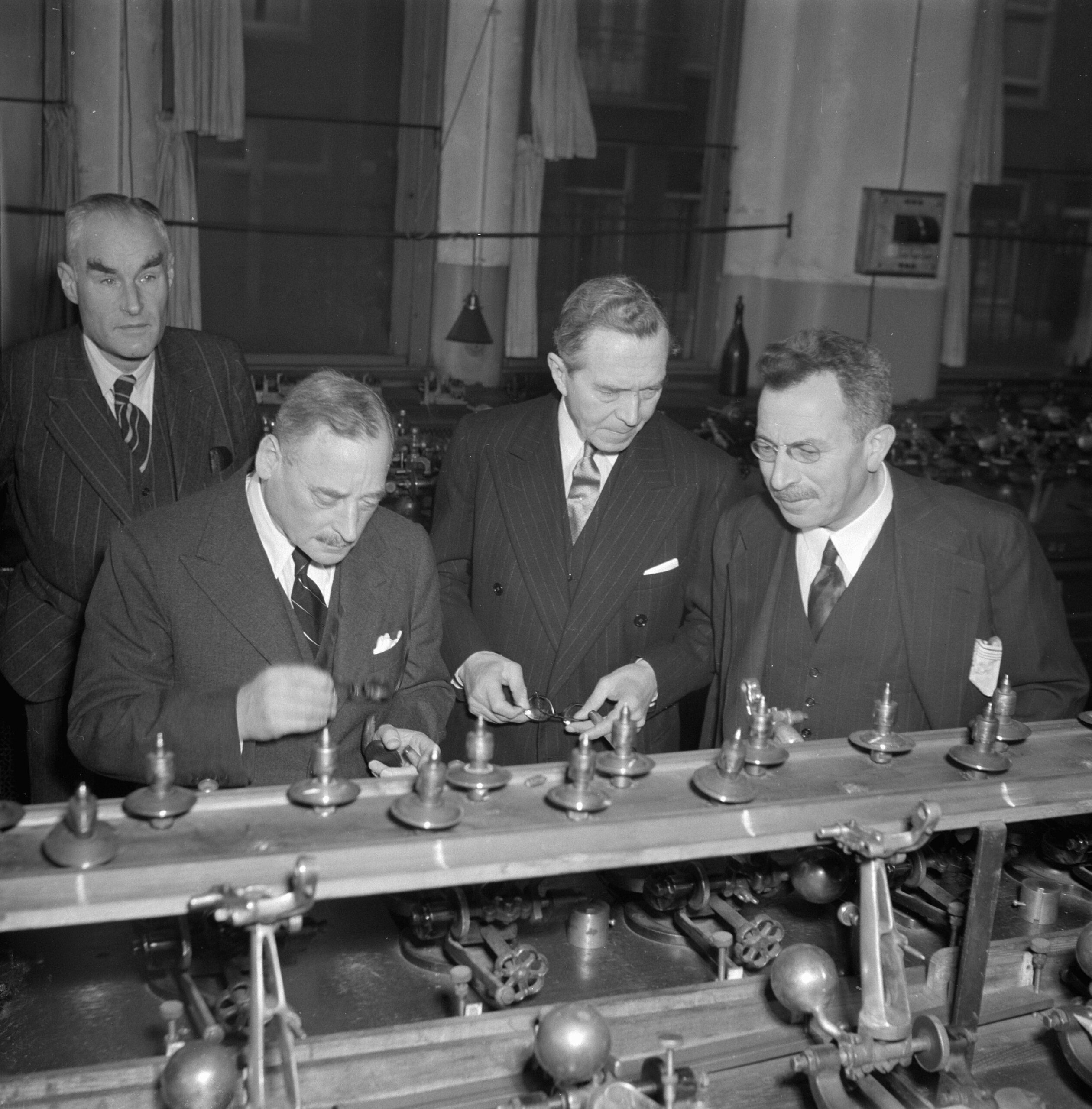
A New Era of Leadership

Sir Ernest Oppenheimer is appointed Chairman of African Explosives and Industries Limited, guiding the business into a new era of industrial growth, modernisation, and strategic leadership.

1932
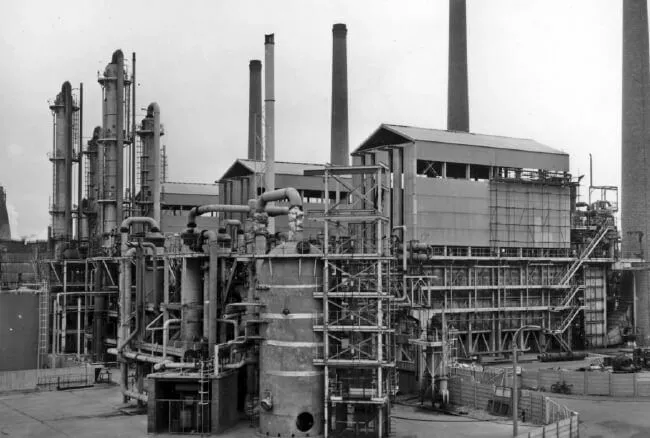
Advancing Chemical Innovation

Production at the No. 1 Ammonia Plant commences, positioning the company at the forefront of global explosives and chemical technology with advanced manufacturing capability.

1933
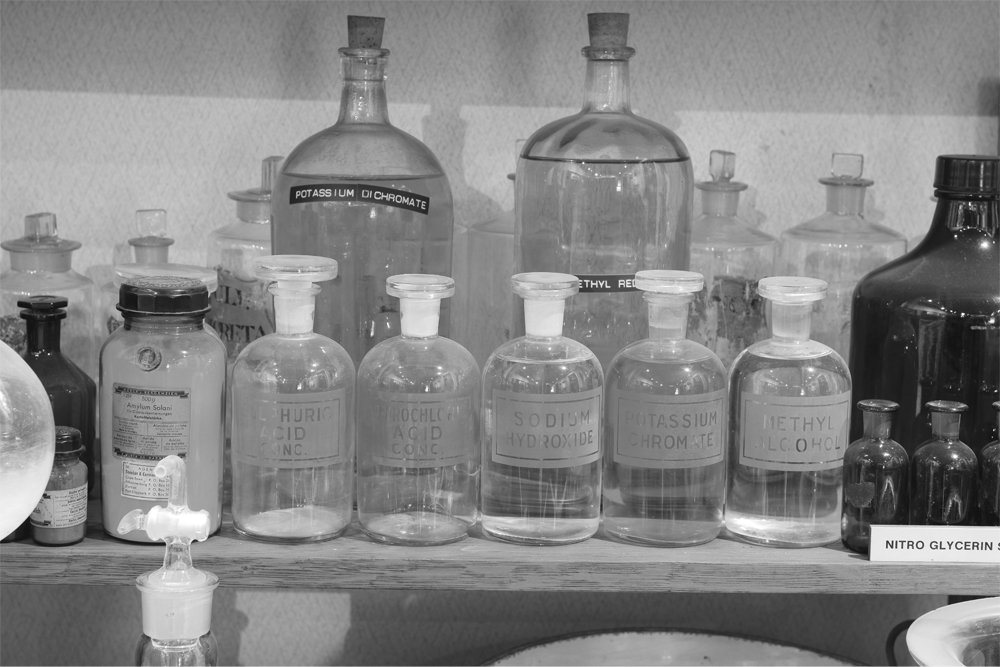
Breakthrough in Explosives

A new ammonium nitrate explosive is successfully tested, marking an important advancement in product development and strengthening the company’s reputation for innovation.

1944
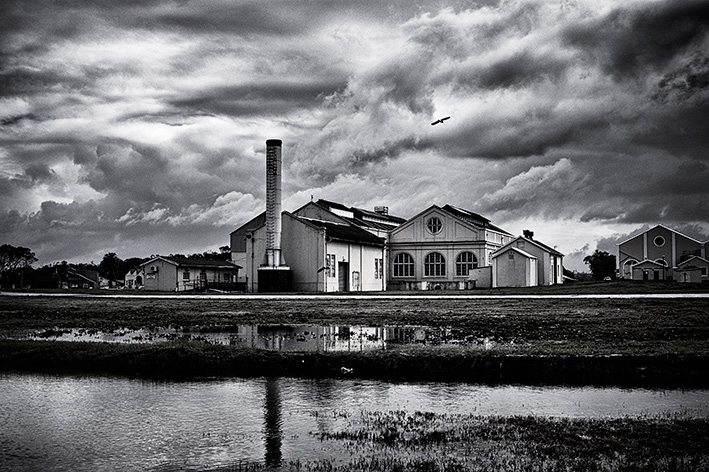
AECI Name Adopted

The company is renamed African Explosives and Chemical Industries Limited, with research and development consolidated at Pinelands in the Western Cape to support scientific excellence.

1957
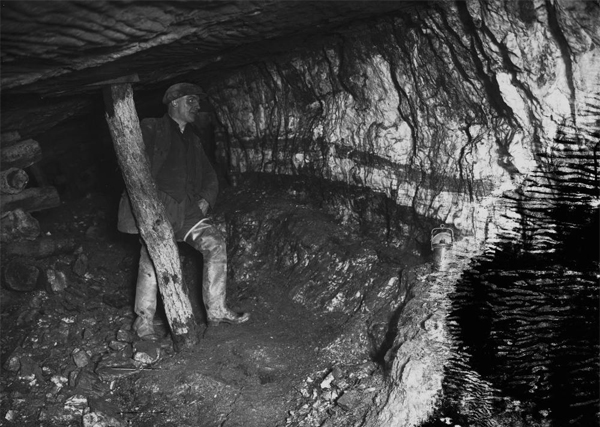
Precision Delay Systems Introduced

AECI introduces capability for sequential delay timing in capped fuse and igniter cord systems, improving blasting accuracy and ushering in more controlled mining operations.

1959

Dynagel Gains Global Recognition

Dynagel, a low-nitroglycerin, water-resistant explosive, is introduced and quickly attracts global attention for its performance, safety profile, and technical reliability.

1960
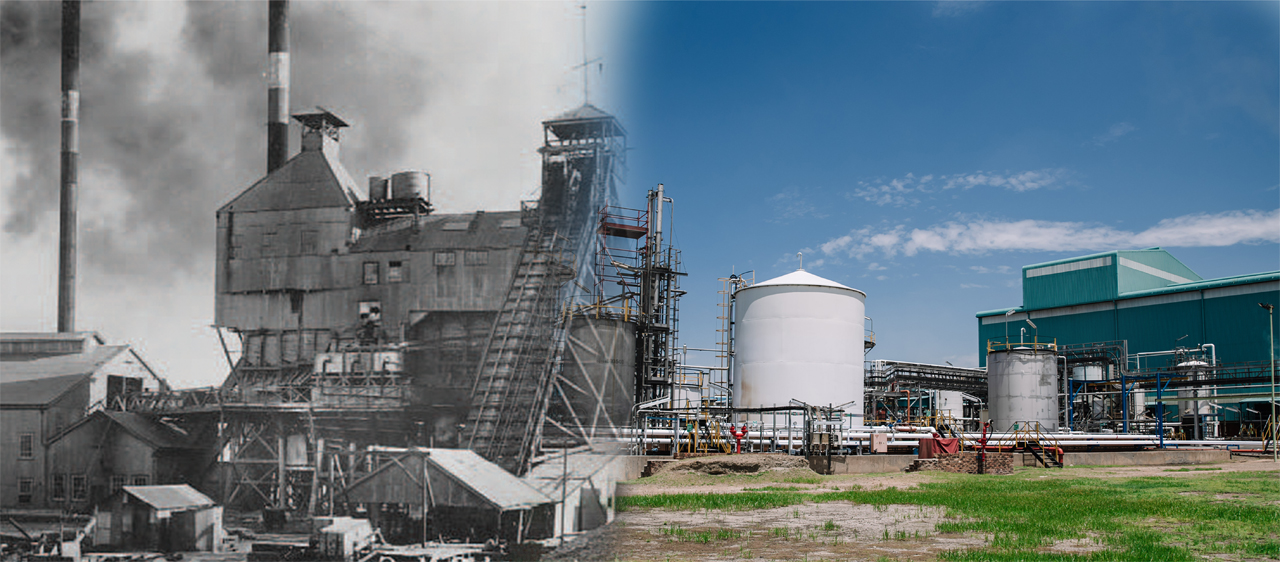
First Urea Plant in Africa

The continent’s first urea plant opens at Modderfontein, supplying essential inputs to the agricultural sector and expanding the company’s footprint in chemical production.

1961
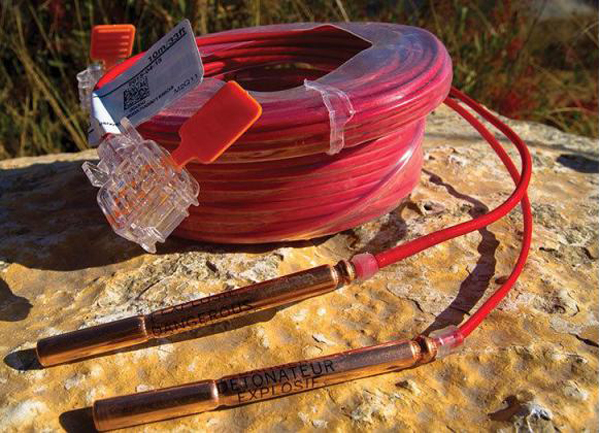
Safety Fuse Production Commences

The manufacture of black powder and BGP safety fuse begins at Modderfontein, marking an important milestone in the localised production of critical initiation systems.

1962
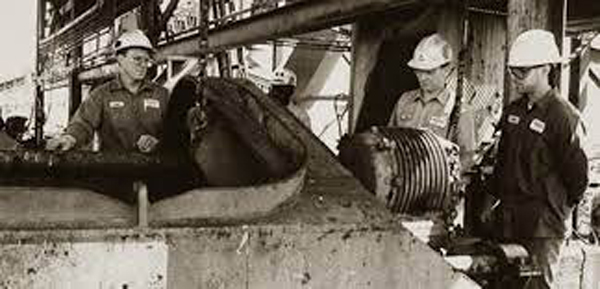
Workforce Reaches New Milestone

Employee numbers rise to 13,515, with historical estimates indicating that around one million people had been employed by the company over its first 67 years.

1963

Revenue Surpasses ZAR100m

Annual group revenue exceeds ZAR100 million for the first time, while Somerset West produces its inaugural pentolite booster, expanding local manufacturing capability.

1966

Listed on the Johannesburg Stock Exchange

AECI is listed on the JSE under the trade code AFE, strengthening investor confidence and supporting long-term expansion.

1967
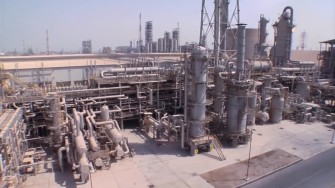
PETN and New Ammonia Plant

Modderfontein begins producing PETN and detonator cord, while the No. 3 Ammonia Plant and an ancillary urea facility come online in KwaZulu-Natal.

1968

Slurry Explosives Innovation

Sinex slurry explosives and on-site mixing techniques are developed, marking a major shift in surface mining technology and operational flexibility.

1971

Fuse Head Manufacturing Begins

Fuse head production is launched, allowing the company to become fully self-sufficient and no longer reliant on imported components.

1972

AE&CI Name Introduced

The company is renamed AE&CI Ltd to support improved access to international investment markets and facilitate broader financial participation.

1974
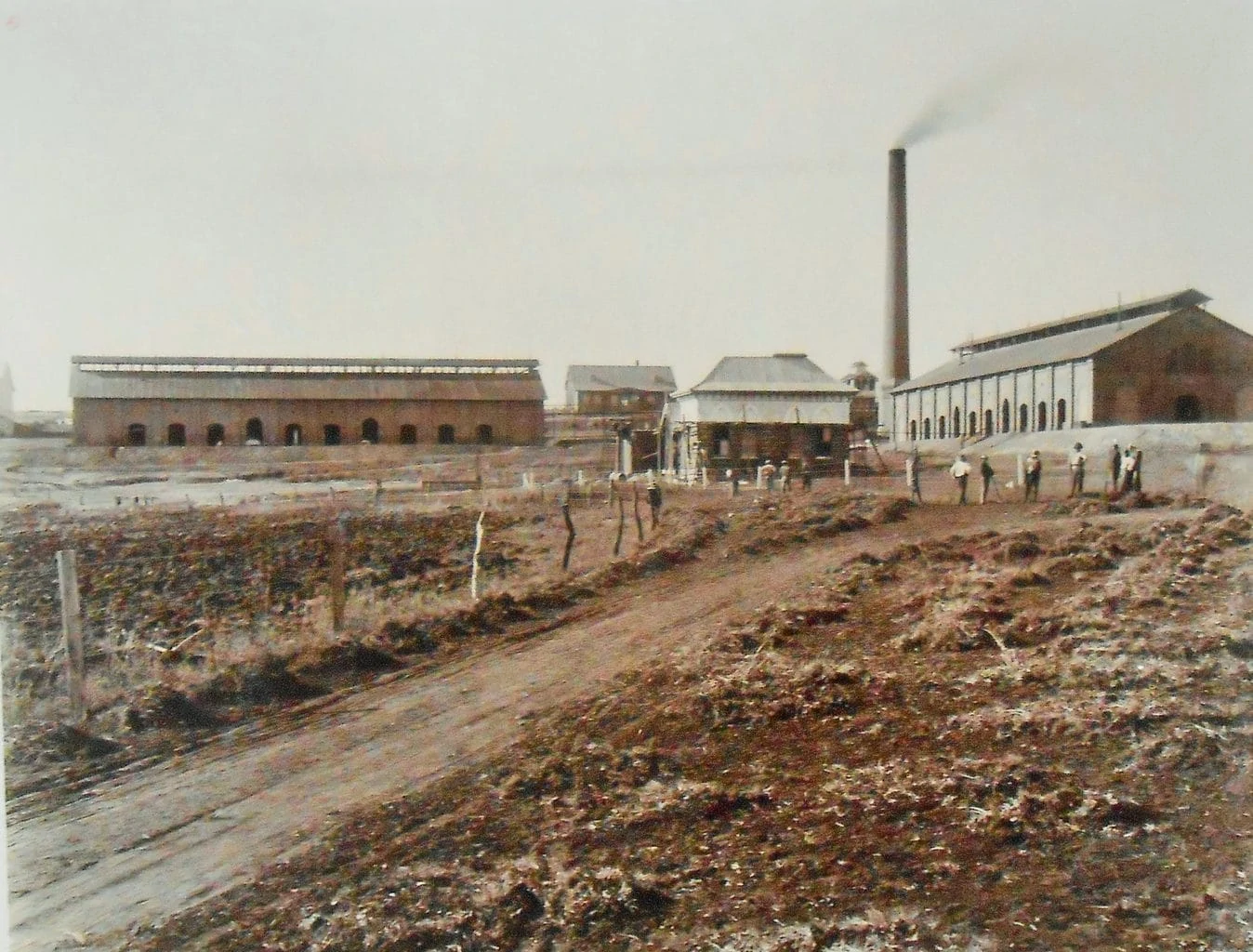
New Nitrogen Complex Completed

A large-scale nitrogen complex, known as the No. 4 Ammonia Plant, is constructed at Modderfontein, expanding the company’s chemical processing capability.

1976

Renamed AECI Limited

The company adopts the name AECI Limited, marking a new chapter in its evolution and aligning its identity with its expanding industrial focus.

1978
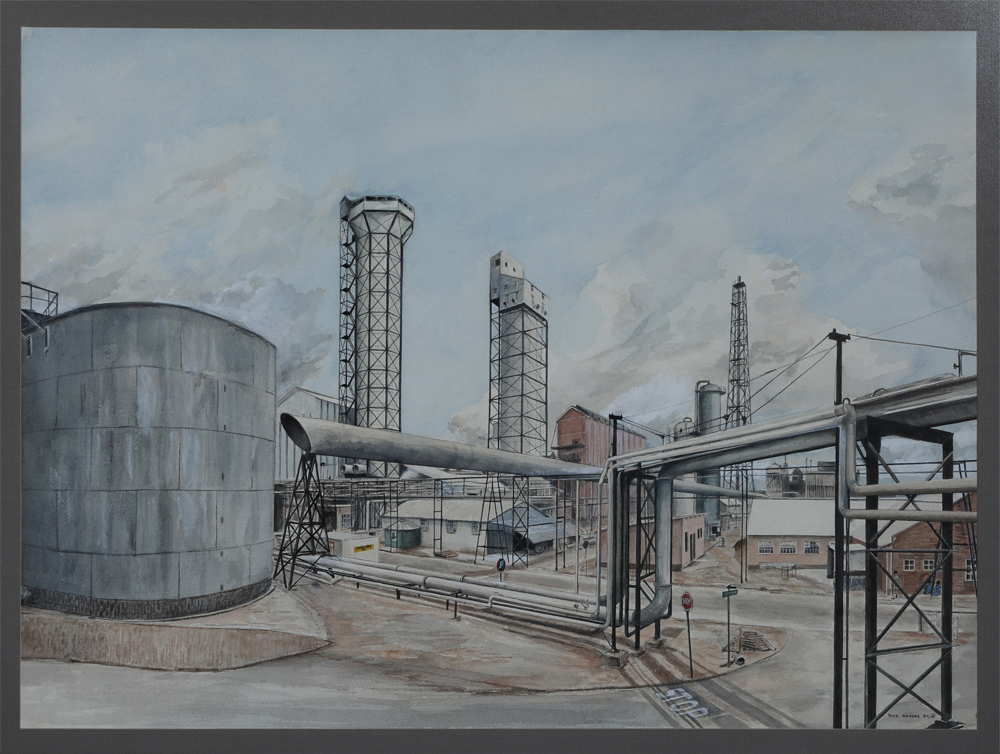
First Emulsion Patent Filed

AECI files its first patent for emulsion explosives, reinforcing its leadership in explosive technology and paving the way for future innovations.

1980
Narrow Reef System R&D Begins

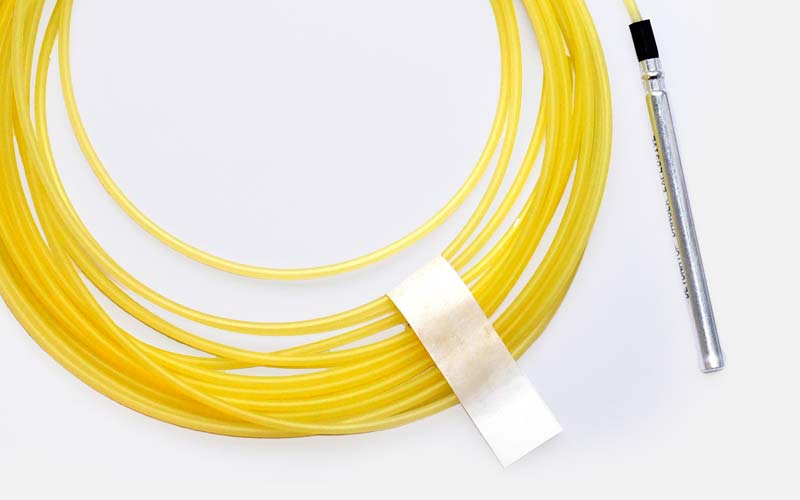
Research into the narrow reef assembly shock tube system begins, laying the groundwork for technology that would support complex underground mining.

1982
Major Expansion and New Systems

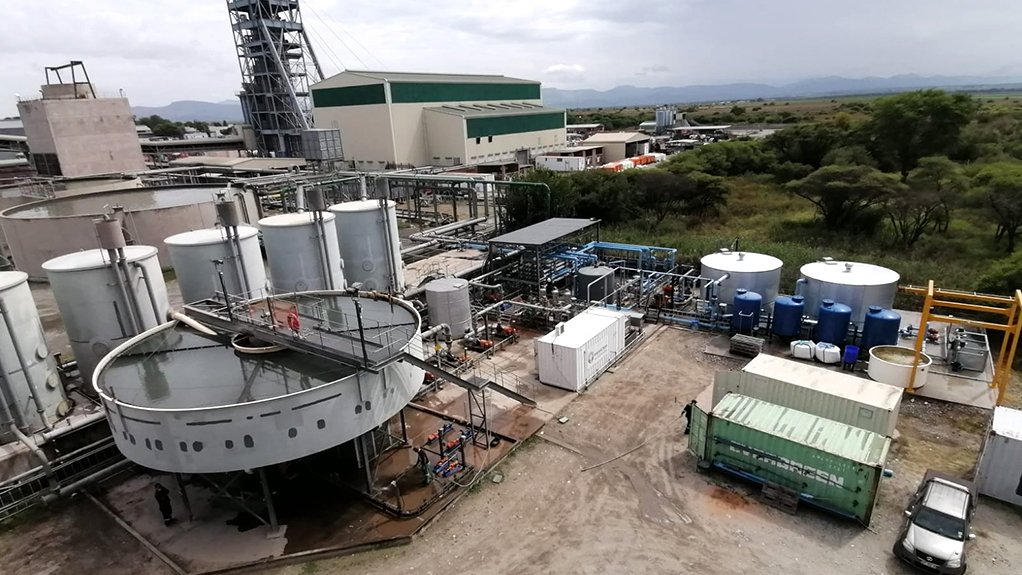
A new explosives factory opens at Mankwe near Rustenburg; Powergel bulk emulsion is introduced to the surface mining sector; and non-electrical initiation systems are launched.

1983
Additional Manufacturing Capability

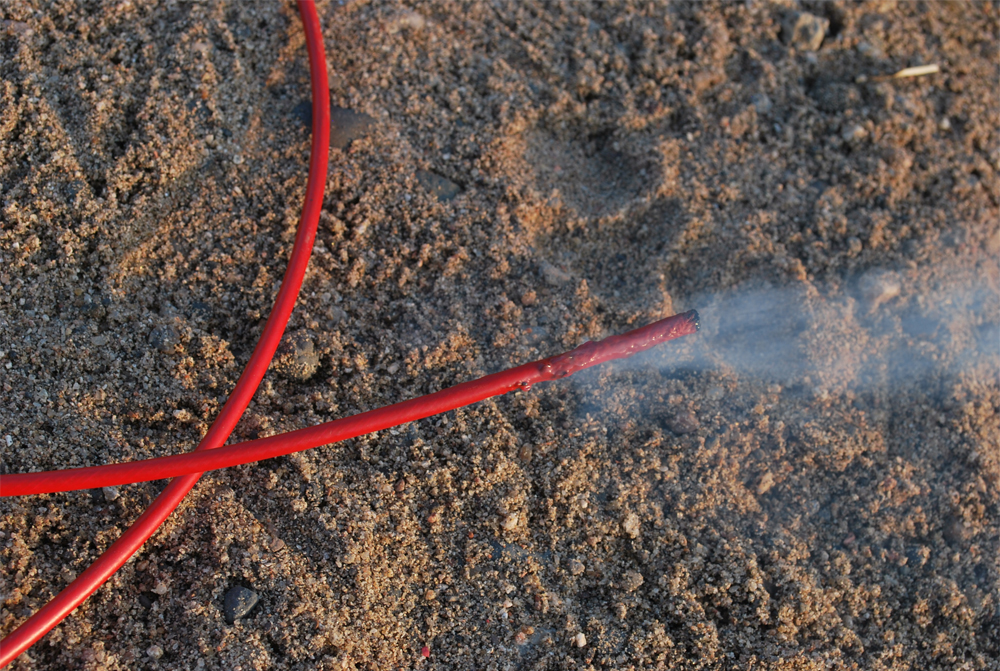
Mankwe comes fully online for safety fuse production, while the No. 3 Ammonia Plant is mothballed due to economic pressures created by the OPEC oil crisis.

1989

Emulsion Gassing Technology

AECI introduces chemical gassing sensitisation technology for emulsion explosives, improving performance, stability, and application range.

1993

Restructuring of Ownership

ICI exchanges 25% of its shares in AECI Ltd for a 51% stake in the newly formed AECI Explosives Ltd, restructuring ownership and strategic alignment.

1996
Century of Modderfontein Production

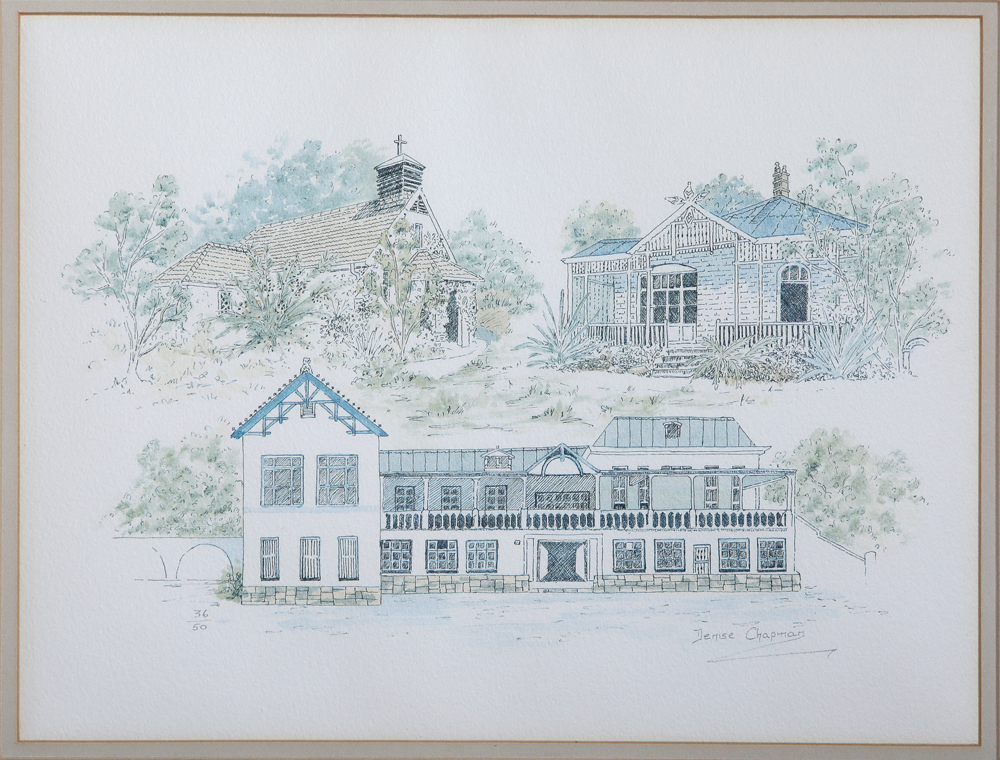
AECI celebrates 100 years of continuous explosives production at Modderfontein, marking a major industrial and historical milestone.

1998

Full Ownership Restored

AECI exercises its pre-emptive option to repurchase ICI’s 51% shareholding in AECI Explosives Ltd, regaining complete ownership of the business.

2000

Closure of No. 4 Ammonia Plant

After more than two decades of operation, the No. 4 Ammonia Plant at Modderfontein is decommissioned as part of portfolio optimisation.

2003

DetNet Joint Venture Established

AECI and Dyno Nobel Norway form a joint venture, DetNet, to accelerate the development of advanced electronic initiation systems.

2004

Broad-Based Investment Partnership

Tiso Group acquires a 25.1% stake in AEL, supporting transformation objectives and long-term strategic growth.

2006
ISAP Detonator Plant Launched

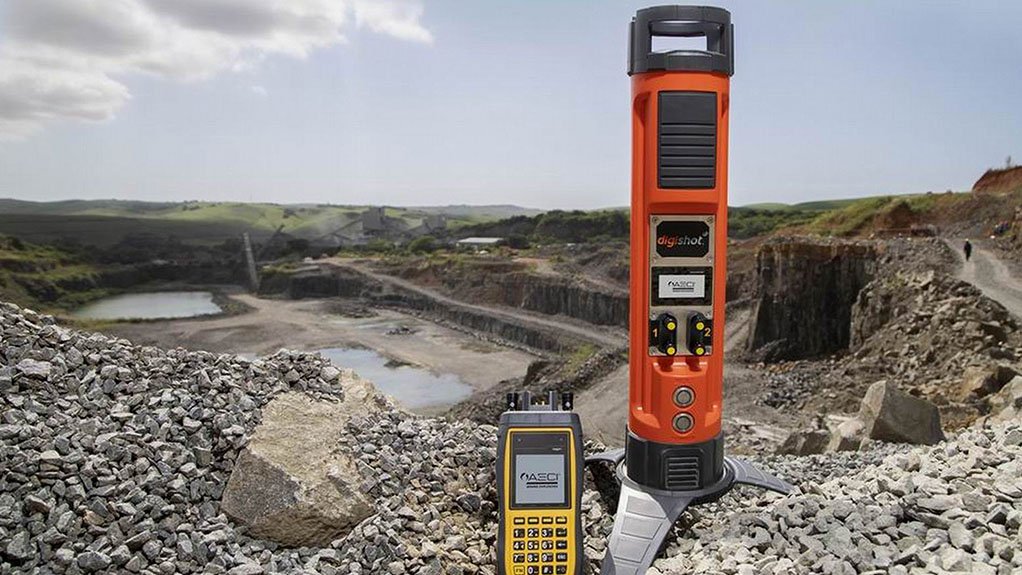
The ISAP plant becomes operational, producing its first detonator and expanding the company’s advanced manufacturing capability.

2015

Expansion into Food Ingredients

AECI acquires Southern Canned Products, strengthening its presence in the food and beverage sector and diversifying the portfolio.

2018
International Growth Accelerates

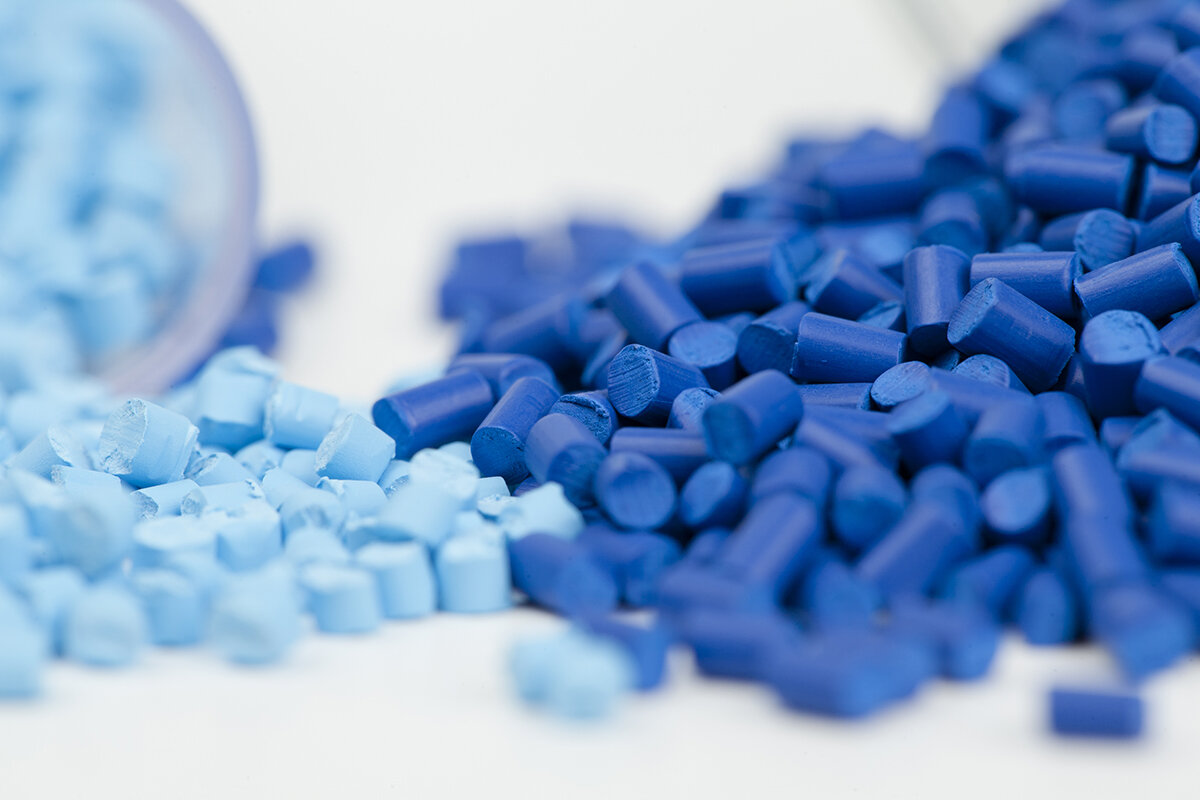
AECI acquires Schirm, with operations in the USA and Germany, and Much Asphalt in South Africa, advancing its global expansion strategy.

2020

AECI Water Introduced

ImproChem is rebranded as AECI Water, aligning the business under a unified identity and clarifying its value proposition.

2023

New Group Strategy Announced

AECI unveils a refreshed strategy focused on mining explosives and chemicals, targeting doubled EBITDA by 2026 and a global top-three position by 2030.

2024
AECI Centenary Celebrated

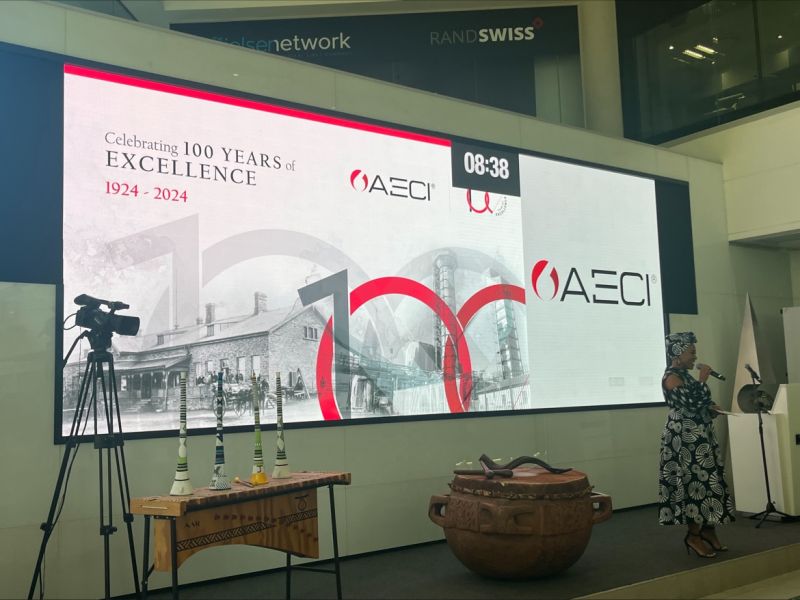
AECI celebrates 100 years on 21 March 2024, marking a century of innovation, industrial leadership, and global impact.